


What is open angle Glaucoma?
What is open angle Glaucoma?
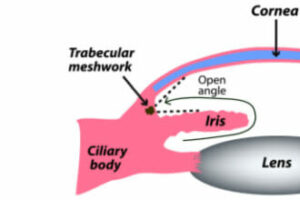
Open-angle glaucoma is the most common type of glaucoma. Glaucoma is a disease that damages the optic nerve and can result in reduced vision, and in some cases, it can lead to blindness. Glaucoma affects more than 70 million people worldwide and is the leading cause of irreversible blindness. Open-angle glaucoma involves changes in the eye that prevent proper drainage of fluid. This leads to a build-up of pressure inside the eye, which over time will damage the optic nerve.
What are the symptoms of open angle Glaucoma?
The signs of open angle Glaucoma do not show up straight away. However, when symptoms appear, they can include:
- Reduced vision and loss of peripheral vision.
- Swollen or bulging cornea.
- Pupil dilation to a medium size that doesn’t change with increasing or decreasing light.
- Redness in the white of the eye.
- Nausea.
These symptoms rarely appear in open-angle glaucoma. Remember, absence of symptoms isn’t proof that you don’t have glaucoma.
What can cause open angle Glaucoma?
Glaucoma occurs when the drainage outlets for the aqueous humor are blocked, thus causing pressure in the eye to build up. The higher fluid pressure can damage the optic nerve. It’s not understood why some people get glaucoma and others don’t. Some genetic factors have been identified; however, this is only the case for less than 10% of all glaucoma cases. Glaucoma can also be caused by trauma to the eye. This is called secondary glaucoma.
The main risk factors for open-angle Glaucoma are:
- Older age (one study showed that open-angle glaucoma affects 10% of those older than 75 and 2% of those older than 40)
- Family history of glaucoma
- African ancestry
- Near sightedness (myopia)
- High eye pressure
- Use of topical corticosteroids
- Inflammation
How is open-angle Glaucoma treated?
Open angle glaucoma is usually treated with eyedrops. Laser treatment or surgery may be offered if drops don’t help. Eyedrops are the main treatment for glaucoma. There are many different drops that can be used, but they all work by reducing the pressure in your eyes. They’re normally used between 1 and 4 times a day. You need to use them as directed, even if you haven’t noticed any problems with your vision. Your sight is at risk if you don’t stick to the recommended treatment. Unfortunately, the treatment cannot bring any vision back that has been lost.
Surgery may be recommended in rare cases where treatment with eyedrops or laser haven’t been effective. The most common type of surgery for glaucoma is called trabeculectomy. This involves removing part of the eye-drainage tubes thus allowing fluid to drain more easily.
How can I prevent open-angle Glaucoma?
Seeing an Optometrist for regular eye examinations is the best prevention for open-angle glaucoma. If glaucoma is detected early, it gives us the best chance to manage it.
Unfortunately, Open-angle glaucoma shows no symptoms in the early stages, so regular eye examinations are the only way to find out if it’s developing. It’s best to have an eye exam once a year, especially if you’re over 40 and have a direct relative who has glaucoma.
However, there are no guarantees against glaucoma. A good diet and a healthy living style may provide some protection.
What equipment do we have at Orriss and Low to spot open-angle Glaucoma?
At Orriss and Low, we offer the Topcon Triton 3D OCT Scan, a 21st-century way to look below the surface of your retina. It reveals a previously unseen cross-section of your retina. This allows us to 3D scan your optic nerve to determine whether you have any nerve fibre thinning, which is one of the earliest signs of open-angle glaucoma.
We also have ICare tonometers that measure intraocular pressures accurately and gently compared to other high street practices that use a puff of air to test eye pressures.
Unfortunately, Glaucoma can’t be cured, however with early diagnosis and treatment, most cases of glaucoma can be managed to prevent the disease from progressing to vision damage. Glaucoma has no symptoms before it causes damage to your vision. This is why it is important to have regular eye exams and OCT retinal scans that screen for glaucoma.