


How can I limit the effects hay fever has on my eyes?
What is hay fever?
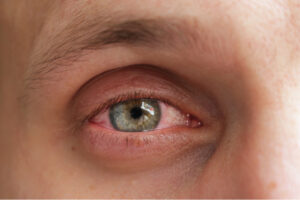
Hay fever is an allergic reaction to pollen, this can cause inflammation, sneezing, itchy eyes, runny or blocked noses. The pollen can also lead to the conjunctiva becoming irritated thus making it red, watery or itchy. This can also lead to your eyelids becoming swollen, some people experience gritty eyes. Hay fever is one of the most common allergic reactions and 18 million people in the UK are affected.

What are the signs/symptoms of hay fever?
- Sneezing and coughing.
- A runny or blocked nose.
- Itchy, red or watery eyes.
- Itchy throat, mouth, nose and ears.
- Loss of smell.
- Pain around the sides of your head and your forehead.
- Headaches.
- Feeling tired.
What are the best ways to manage your hay fever?
- Wearing wrapped sunglasses help reduce pollen contact with the eyes.
- If you have been spending time outdoors, shower and wash your hair when you get home. This will remove any pollen from your skin and hair.
- Dry your washing inside as this will reduce the amount of pollen grains on your clothes.
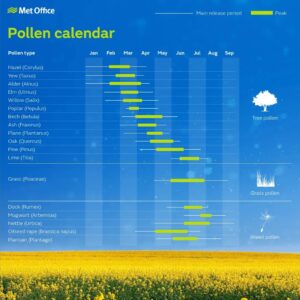
- If the pollen count is high, try to stay indoors. A pollen forecast can be viewed at the Met Office.
- Alcohol can increase allergy symptoms. It needs to be avoided when your hay fever is at its worst.
How can you treat your hay fever?
Unfortunately, hay fever is incurable, but symptoms can improve as you get older. However, relief treatment is available to use during the pollen season. You can treat your hay fever symptoms with over-the-counter medications from your local pharmacy. Anti-histamine tablets or nasal sprays are one of the best ways to relieve symptoms. They should be taken before the hay fever season starts so they have time to get into your system. Eye drops containing anti-histamine are also available from your pharmacy. These should reduce the inflammation in your eyes and relieve the itching. The allergic reactions may need review by an Optometrist if they become unbearable.
Pollen Calendar from the Met Office